South Africa
14 Uitenhage Road, North End, Port Elizabeth, South Africa, 6001
+27 41 811 9729 Email Us
14 Uitenhage Road, North End, Port Elizabeth, South Africa, 6001
+27 41 811 9729 Email Us


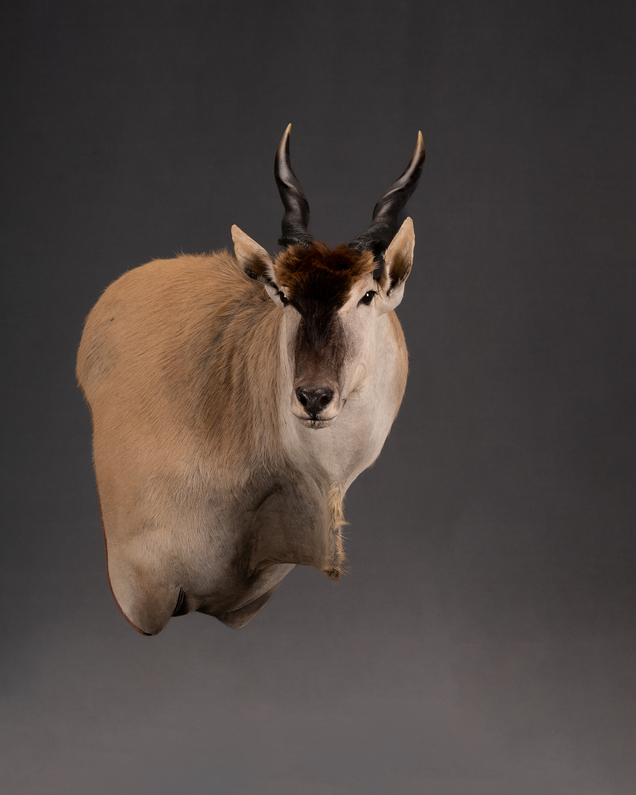
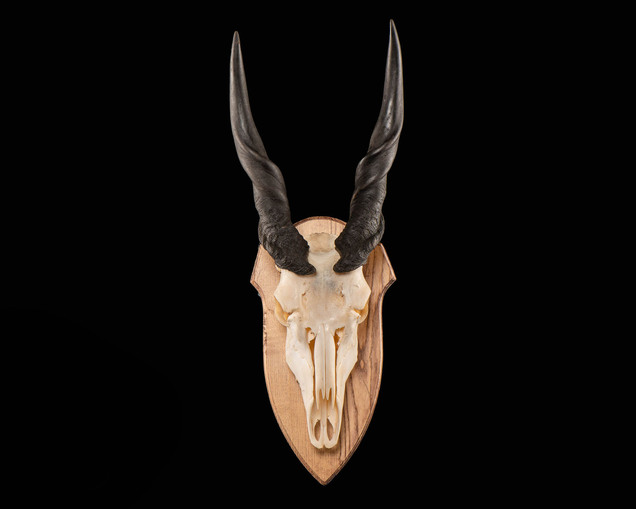
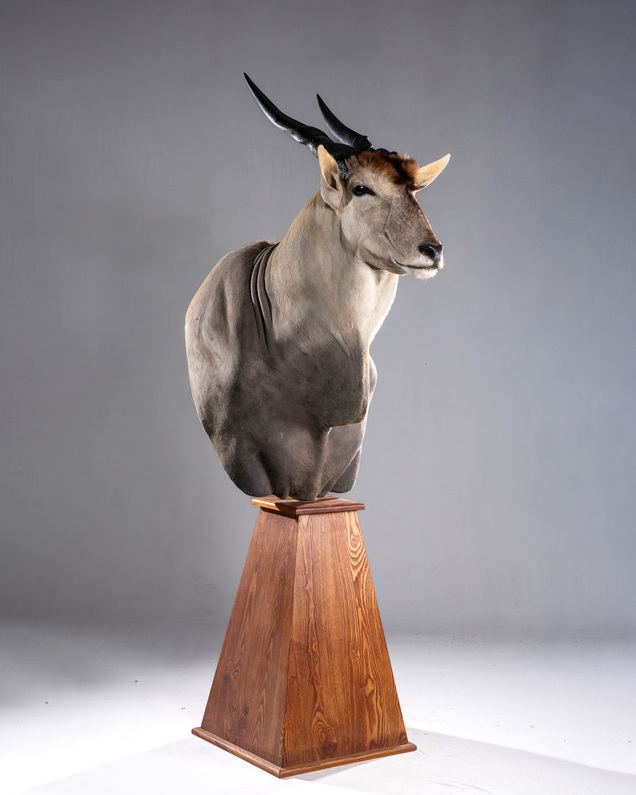
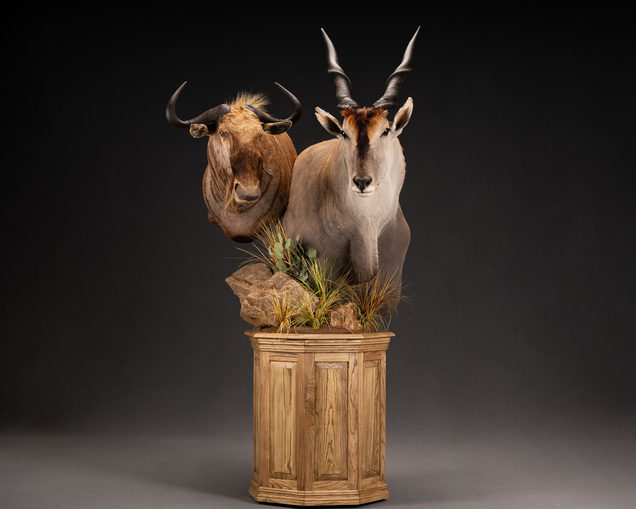
The Eland is Africa's largest antelope species, it is renowned for its impressive size, graceful stature and being part of the spiral horn family. They are recognized for their endurance and resilience and make for a challenging hunt.
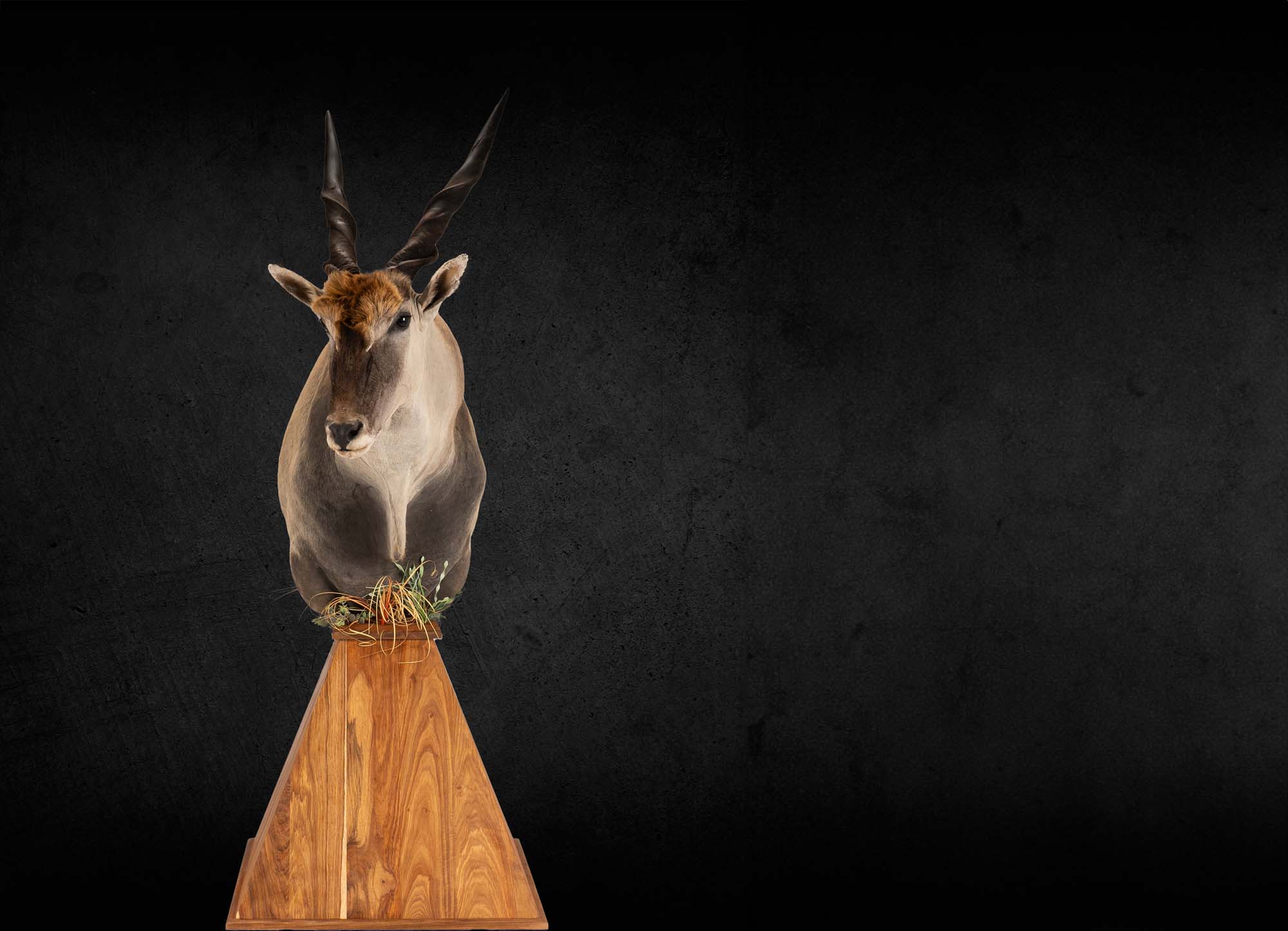
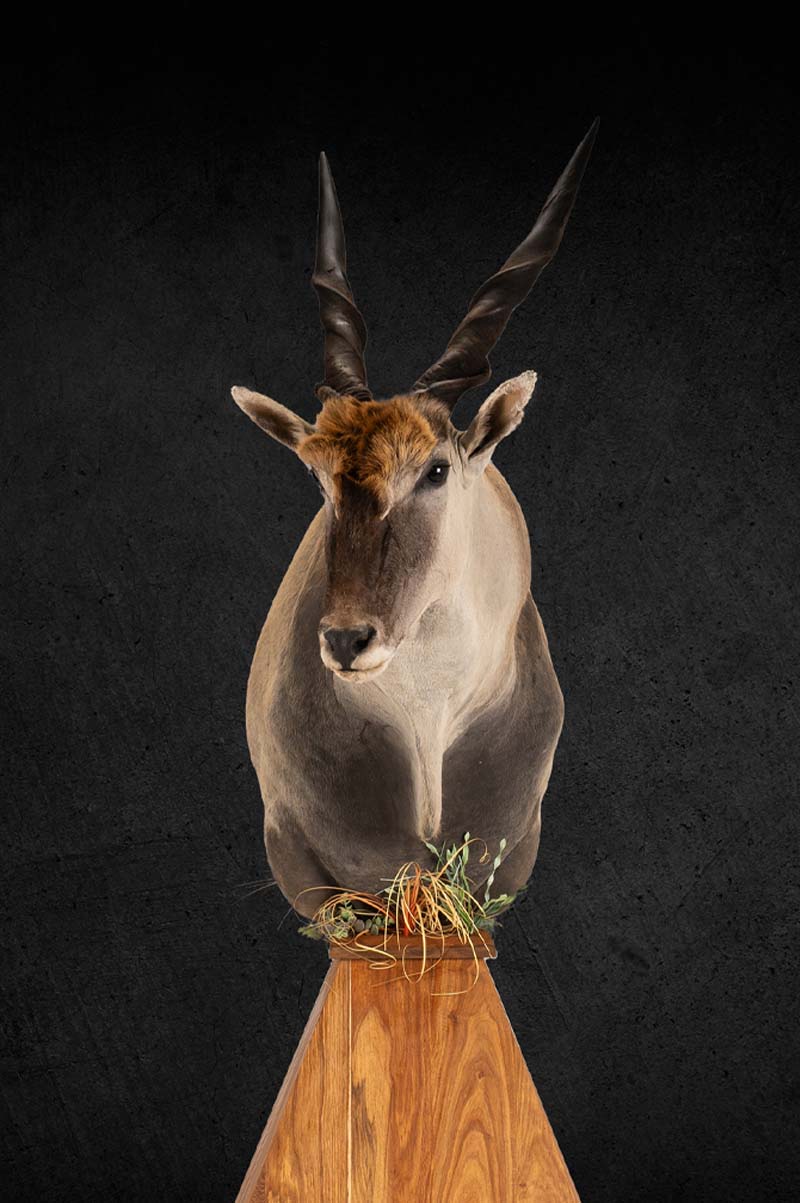
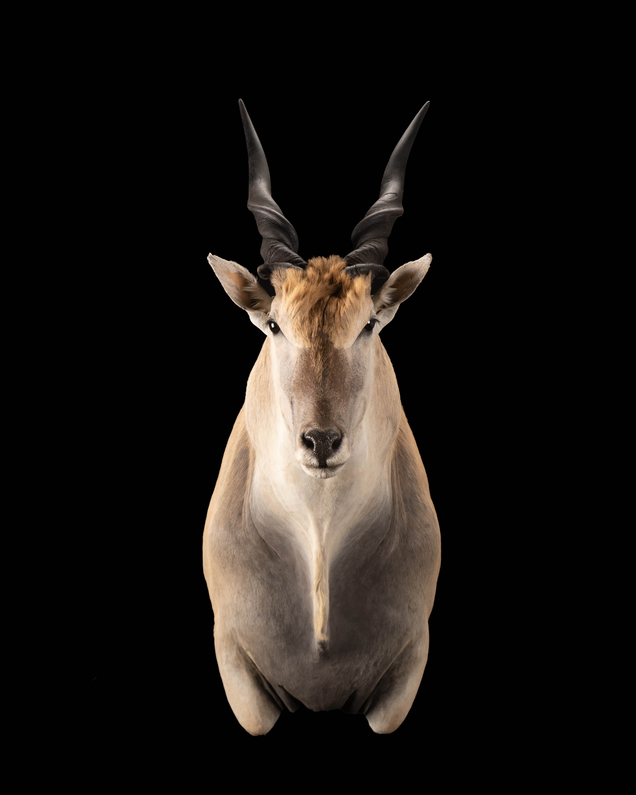
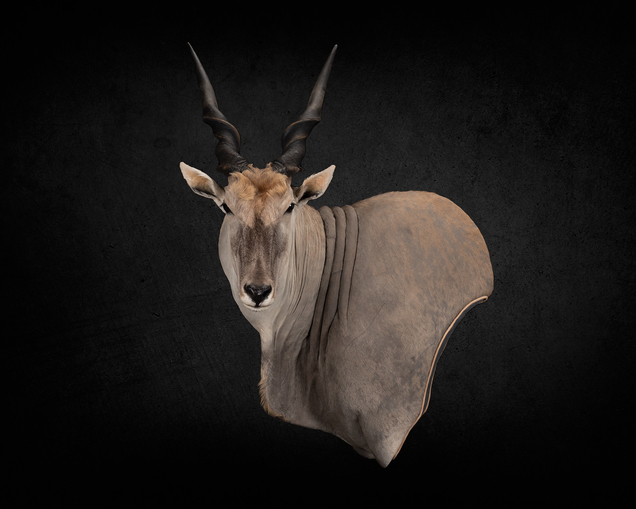
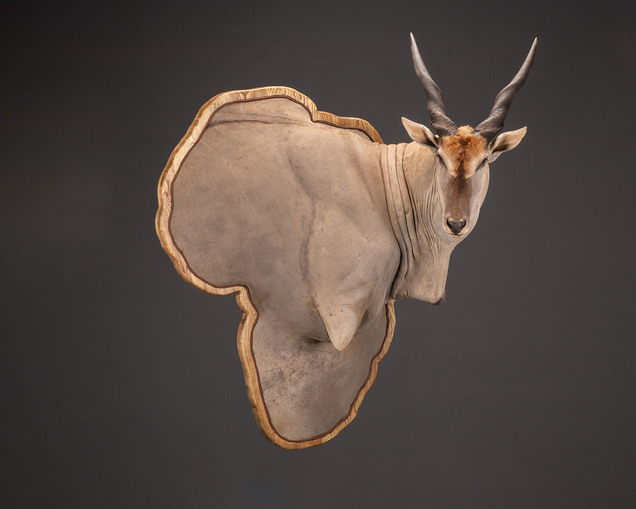
A shoulder mount of the eland highlights its massive spiral horns and powerful neck. Perfect for wall displays, this option showcases the size and presence of the eland, making it a centerpiece to admire.
No, elands are not typically larger than moose in terms of height; however, they are slightly heavier and bulkier.
Elands are surprisingly fast for their size, reaching up to 70km/h in short bursts when escaping predators. They are not built for long-distance sprinting, however, when threatened, their combination of speed and stamina allows them to cover significant distances.
While they are both large antelopes, Kudus and Elands are completely different. Elands are heavy and muscular; both sexes have horns, their coat is tan with faint vertical stripes, and they are generally slow-moving. Kudu, on the other hand, are smaller and more slender in build. Only male kudu have spiral horns; their coat is reddish-brow to grey with white vertical stripes, and they are agile and alert.
Yes, it is considered challenging to taxidermize kudu due to their magnificent size and build. Preserving a species like this requires technical skill, experience and specialised equipment. That being said, nothing excites us more than getting the opportunity to mount one. Watch our YouTube Short, where we highlight the uniqueness of this particular animal: https://youtube.com/shorts/If462080qS8?si=gOdZCiTJZO_Wc8rM
Elands are known for their adaptability and can live in a variety of habitats across sub-Saharan Africa. Typically, they are found in open grasslands, savannas, and semi-arid areas, but they can also inhabit woodlands and bushveld where food and water are available.